Transition Finance: Paving the path to a low-carbon future


Over the past decade, sustainable finance has rapidly moved from the margins of capital markets to centre stage, with sustainable bond issuances reaching EUR 878 billion in 2024. These instruments have channelled vast amounts of capital into renewable energy, clean transport and other low-carbon infrastructure. But as the market matures, new challenges are emerging for hard-to-abate industries, which account for around 25% of global greenhouse gas emissions (GHG) according to the World Economic Forum.
At the same time, the policy environment is shifting. In some regions, sustainable finance has become politically polarised, while in Europe, regulators are refining frameworks to maintain competitiveness while driving capital towards climate objectives.
Ultimately, one principle remains clear – the purpose of sustainable finance is to redirect capital flows towards a resilient and inclusive, low-carbon future. Achieving that goal means going beyond traditional green investments, and supporting credible and inclusive transition pathways across all sectors.
Transition finance is not about lowering standards – it's about ensuring that no sector is left behind. By broadening the spectrum of possible investments, it enables investors to support credible pathways, while issuers from hard-to-abate sectors can demonstrate ambition expressed in science-based and meaningful transition plans, disclose progress and gain access to financing that accelerates their transformation.
But issuers and investors cannot act alone. Financial market infrastructures – including exchanges – play a critical role by creating transparent marketplaces, where issuers can raise funds for credible net-zero pathways and investors can access the data they need to allocate capital confidently.
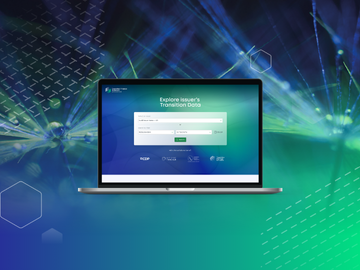
It promotes clarity, comparability and transparency by consolidating data from four international providers – CDP, the Net Zero Tracker, the Science Based Targets initiative (SBTi) and the Transition Pathway Initiative Centre – covering more than 500 non-financial corporate issuers with debt listed on LuxSE.
For issuers, the Transition Finance Gateway highlights progress and benchmarks commitments against peers. For investors, it delivers transparency and comparability, including insights into hard-to-abate sectors. By rewarding corporate issuers’ disclosure and transparency around climate action, the Gateway aims to foster trust and accelerate capital mobilisation for transition pathways.
Global decarbonisation is, above all, a capital reallocation challenge of historic proportions. It requires unprecedented collaboration between public and private actors. Transition finance ensures that all sectors – especially those whose transformation is complex yet so vital – are part of this journey. Ultimately, net-zero will not be achieved by divesting from the real economy. It will be built by investing in its reinvention.
This article was originally published on Börsen-Zeitung.
At the same time, the policy environment is shifting. In some regions, sustainable finance has become politically polarised, while in Europe, regulators are refining frameworks to maintain competitiveness while driving capital towards climate objectives.
Ultimately, one principle remains clear – the purpose of sustainable finance is to redirect capital flows towards a resilient and inclusive, low-carbon future. Achieving that goal means going beyond traditional green investments, and supporting credible and inclusive transition pathways across all sectors.
Why transition finance matters
Transition finance reshapes the sustainable finance debate, recognising that decarbonisation is not a binary shift but a complex, incremental journey. High-emitting industries cannot transform overnight, yet their transformation is paramount in the fight against global warming. According to the International Energy Agency and the Network for Greening the Financial System, less than 20% of required emissions cuts will come from renewable energy and low-carbon projects alone. The remaining 80% must be achieved by making carbon-intensive activities cleaner.Transition finance is not about lowering standards – it's about ensuring that no sector is left behind. By broadening the spectrum of possible investments, it enables investors to support credible pathways, while issuers from hard-to-abate sectors can demonstrate ambition expressed in science-based and meaningful transition plans, disclose progress and gain access to financing that accelerates their transformation.
A European opportunity
For Europe, transition finance represents both a necessity and a strategic opportunity. It is essential for advancing climate goals and achieving the EU’s ambition to build a deeper and more competitive Capital Markets Union. Policymakers have already moved in this direction – the EU Taxonomy recognises transitional activities, while the Corporate Sustainability Reporting Directive (CSRD) expands disclosure requirements, compelling companies to publish credible transition plans. These frameworks provide clarity to investors and enable issuers to commit capital with greater confidence.Momentum across the market
Institutional investors are increasingly adopting climate transition plans, setting ambitious targets, engaging corporates and supporting policy advocacy. On the issuer side, corporates and sovereigns alike are exploring new instruments, including transition bonds and sustainability-linked bonds (SLBs). While transition bonds channel proceeds into specific decarbonisation projects, SLBs link the financial terms of the bond to the issuer’s overall sustainability performance, reflecting the multiple financing tools now available to support the transition.But issuers and investors cannot act alone. Financial market infrastructures – including exchanges – play a critical role by creating transparent marketplaces, where issuers can raise funds for credible net-zero pathways and investors can access the data they need to allocate capital confidently.
The Transition Finance Gateway
Recognising this responsibility, the Luxembourg Stock Exchange (LuxSE) recently launched the Transition Finance Gateway. Building on nearly a decade of sustainable finance expertise with the Luxembourg Green Exchange (LGX), the Gateway shifts the focus from individual green, social or sustainability securities to the entity-level transition progress of issuers.It promotes clarity, comparability and transparency by consolidating data from four international providers – CDP, the Net Zero Tracker, the Science Based Targets initiative (SBTi) and the Transition Pathway Initiative Centre – covering more than 500 non-financial corporate issuers with debt listed on LuxSE.
For issuers, the Transition Finance Gateway highlights progress and benchmarks commitments against peers. For investors, it delivers transparency and comparability, including insights into hard-to-abate sectors. By rewarding corporate issuers’ disclosure and transparency around climate action, the Gateway aims to foster trust and accelerate capital mobilisation for transition pathways.
Catalysts for transformation
Exchanges cannot remain passive observers in the climate transition. By equipping markets with transparent tools and credible and structured data, they can encourage issuers to step up the pace of their transition efforts. The Transition Finance Gateway exemplifies this role, empowering issuers to disclose, investors – including retail investors – to assess, and helping markets channel capital to where it can have the most impact.Global decarbonisation is, above all, a capital reallocation challenge of historic proportions. It requires unprecedented collaboration between public and private actors. Transition finance ensures that all sectors – especially those whose transformation is complex yet so vital – are part of this journey. Ultimately, net-zero will not be achieved by divesting from the real economy. It will be built by investing in its reinvention.
This article was originally published on Börsen-Zeitung.